WAN 2.6 and Sora 2 are redefining what's possible in AI‑generated video, especially for character‑driven stories. Understanding their real strengths, generated results, and best‑fit scenarios helps you choose the right AI video tool for storytelling, animation, and virtual character creation.
When people search for "WAN 2.6 vs Sora 2", they're looking for clarity on which AI video generation model will reliably produce believable, stable, and expressive characters. Both WAN 2.6 and Sora 2 are powerful character‑focused AI video tools, but they're optimized for different creative goals. This comparison walks through their architectures, character consistency, motion quality, and real‑world use cases to help you make an informed decision.
Comprehensive comparison of AI character video generation models
WAN 2.6 is built as a character‑centric AI video generation model, prioritizing identity consistency, facial expressions, and pose stability across frames. Sora 2 is a new‑generation AI video model that also focuses on realistic character generation, turning simple text prompts into near photo‑realistic character videos with detailed skin texture, hair, fabric materials, and nuanced lighting, while still supporting cinematic scenes and multi‑shot storytelling.
Try WAN 2.6 →WAN 2.6 delivers stable faces, clean edges, and fewer identity glitches, particularly strong with close‑ups and dialogue shots in stylized or animated projects. Sora 2 focuses on near photo‑realistic character performance, maintaining identity and personality consistency across multiple shots and scenes, with smooth motion, natural expressions, and solid audio‑visual sync for short‑form content, ads, virtual avatars, and branded IP videos.
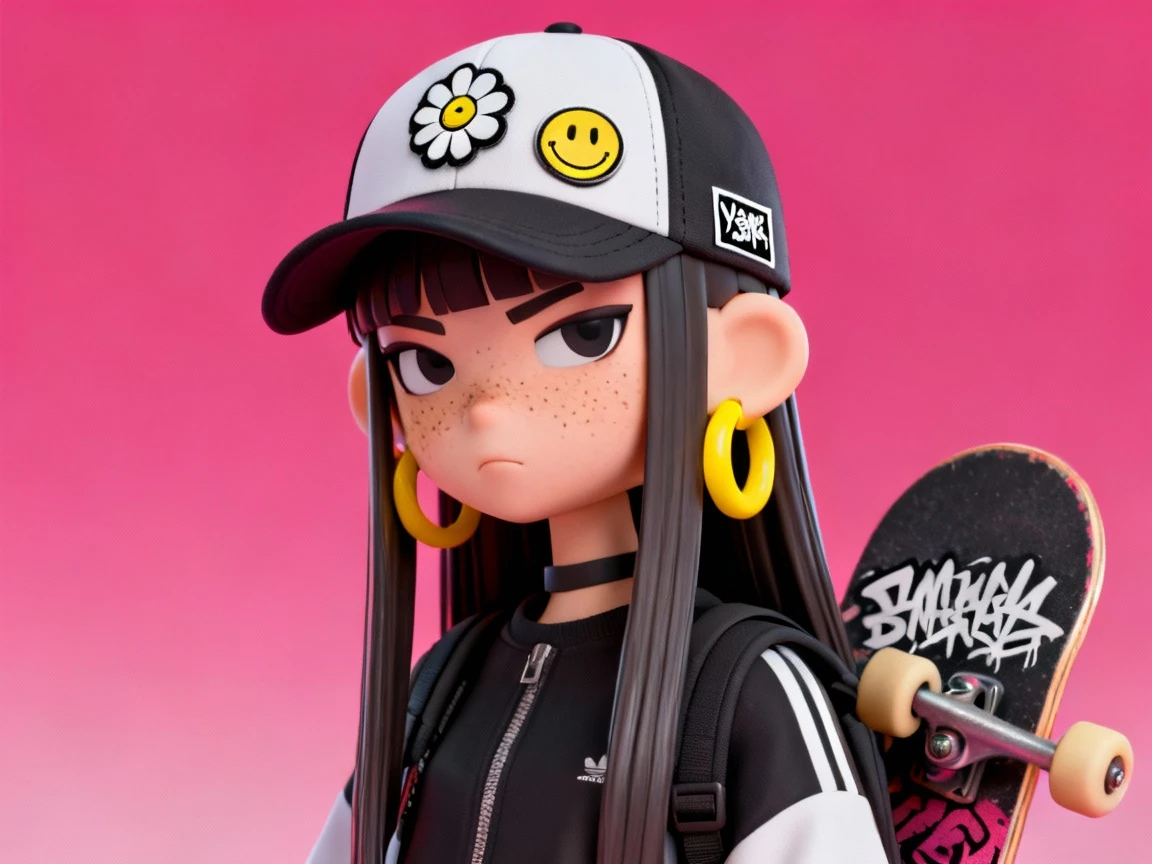
Compare Performance →Choose WAN 2.6 for branded virtual characters, VTubers, narrative shorts, and dialogue scenes. Choose Sora 2 for storyboards, cinematic previews, trailers, and complex environments. WAN 2.6 is a character‑first AI video tool, while Sora 2 is a world‑first cinematic model.

Find Your Use Case →If you're unsure how WAN 2.6 vs Sora 2 will behave on your own prompts, the fastest answer is to run the same scenario on both models.
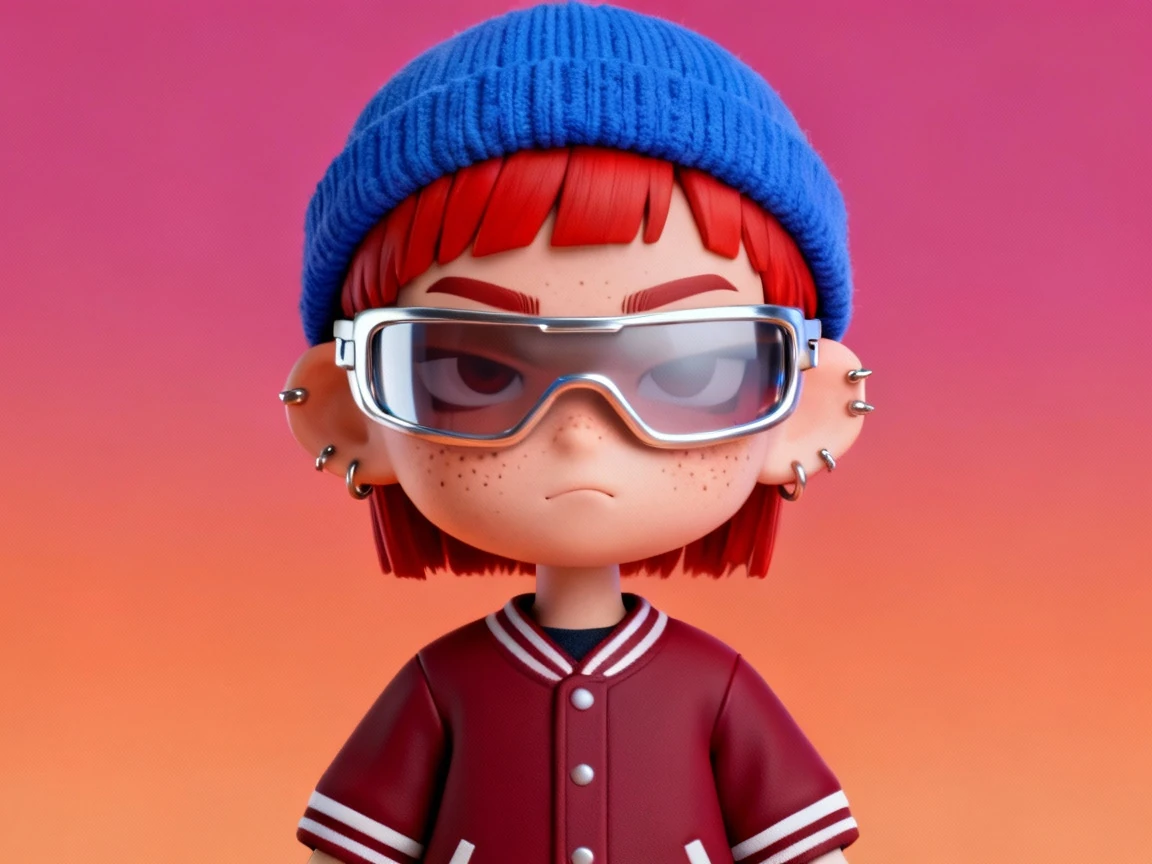
Start with a simple character prompt—name, style, and emotion—and compare face stability, motion quality, and expressiveness. Save reference clips from each model, then share them with your team for feedback on brand fit, realism, and creative potential.
Test Both Models NowFor creators building recurring characters, character consistency is non‑negotiable. WAN 2.6 tends to keep facial structure, hairstyle, and outfit details more stable from frame to frame, especially in medium and close shots. This makes it a strong choice for series content, episodic animation, or long‑term IP. Sora 2 is designed for high‑fidelity character generation and can keep skin texture, facial proportions, hairstyle, and overall temperament consistent across multi‑shot clips, which is critical for virtual humans, brand mascots, and digital spokespeople.
WAN 2.6 emphasizes controlled motion that preserves character readability: walking cycles, head turns, and gestures are coherent and clear, even if sometimes simpler. This suits explainers, talking‑head content, and social storytelling where clarity beats spectacle. Sora 2 combines dynamic camera work with a better simulation of basic physical rules and solid audio‑visual sync, so character motion, lip‑sync, and expressions feel smoother and more natural in multi‑scene narratives, short videos, and ad‑style sequences.
Both WAN 2.6 and Sora 2 support a wide range of visual styles—realistic, stylized, or fully animated. WAN 2.6 tends to follow stylized character directions more strictly (for example, VTuber‑style avatars or anime‑inspired heroes), while Sora 2 is stronger at near photo‑realistic rendering of skin, hair, fabric, and lighting for human‑like characters and scenes. If your brief is "the character must always look like our brand avatar in a stylized world," WAN 2.6 has the edge; if you need realistic spokesperson‑style characters, Sora 2 is often a better fit.
In a real production pipeline, WAN 2.6 works well as the core engine for stylized character shots, with assets reused across episodes or campaigns. Teams can lock in a character look, then generate variations for different scripts and platforms. Sora 2 fits naturally as a production tool for realistic, character‑driven video, especially short‑form content, commercials, virtual digital humans, and branded IP clips, giving teams a low‑cost, high‑efficiency way to ship near‑realistic character videos from simple text prompts.
Start from your primary goal. If your success metric is "our stylized character looks the same and feels alive in every clip," lean toward WAN 2.6. If your metric is "we need realistic, character‑driven video that feels close to live‑action," Sora 2 is usually the better choice. Whenever possible, test the same prompt on both to validate your decision. Many teams use both models in one workflow—WAN 2.6 for stylized or animated shots and Sora 2 for realistic spokesperson‑style segments and brand campaigns.
The core difference is focus: WAN 2.6 is optimized for stylized, character‑focused AI video generation (such as VTubers, anime‑inspired avatars, and long‑term IP) with strong identity consistency and expressive faces. Sora 2 is a new‑generation AI video model that specializes in near photo‑realistic character video, turning simple text prompts into realistic character clips while keeping skin, hair, clothing details, and overall temperament consistent across multi‑shot sequences.
It depends on the style and use case. WAN 2.6 is often stronger for stylized or animated characters—for example VTubers, anime‑inspired heroes, and long‑term IP—where you want clean edges, expressive faces, and consistent design across many episodes. Sora 2 is better when you need near photo‑realistic characters for short videos, ads, virtual spokespeople, or branded IP, with high‑quality skin, hair, fabric, and lighting plus stable identity across multiple shots.
Choose Sora 2 when your project needs realistic, character‑driven video that feels close to live‑action. It is particularly suitable for short‑form content, commercial spots, virtual digital humans, and branded IP characters, where skin detail, hair texture, clothing material, and lighting realism all matter. Sora 2 also supports multi‑shot, multi‑scene narratives, keeping the same character’s appearance and temperament consistent as you move between wide shots, medium shots, and close‑ups.
Start from your primary goal. If you care most about stylized or animated characters that appear across many episodes, streams, or campaigns, WAN 2.6 is a strong choice. If your priority is near photo‑realistic characters for short videos, ads, or virtual spokespeople, Sora 2 will usually be a better fit. In practice, the best way to decide is to run the same prompt on both models, then compare identity consistency, motion quality, and visual style fit with your brand before standardizing on one—or using both in different parts of the same workflow.
Yes! Many teams use WAN 2.6 for character‑driven shots and Sora 2 for establishing shots, transitions, and wide scenes. Combining both creates a richer, more flexible AI video generation pipeline without locking you into a single tool. This approach leverages the strengths of each model for optimal results.
Character‑focused AI video tools like WAN 2.6 excel in: branded virtual characters and VTubers, narrative shorts with recurring protagonists, dialogue scenes and reaction shots, social‑media‑style content, episodic animation, and long‑term IP development. These tools prioritize character consistency, facial expressions, and emotional storytelling over environmental complexity.
Choosing between WAN 2.6 vs Sora 2 doesn't have to be guesswork. Start by generating a short test scene in both tools, compare character consistency, motion quality, and style fit, and then standardize on the model that best matches your storytelling goals.
Generate Your First AI Character Video