Gemini 3.0 Architecture Explained: Inside the Multimodal Reasoning Engine

A clear breakdown of Gemini 3.0's architecture, including multimodal processing, cross-layer attention, scalability, and real-world advantages.

Gemini 3.0 marks a meaningful step forward in Google's model lineup. Rather than chasing superficial benchmarks, its architecture focuses on stability, cross-modal understanding, and long-context consistency. This architectural evolution brings stronger multimodal capabilities that work seamlessly across text, images, audio, and structured data.

Core Architectural Components of Gemini 3.0

Understanding the key innovations that power Gemini 3.0's advanced capabilities

Unified Multimodal Framework

Gemini 3.0 adopts a unified reasoning core that handles text, images, audio, and structured data simultaneously. This reduces fragmentation and strengthens coherence across complex tasks, enabling seamless transitions between different types of content without losing context.

Explore Architecture →
Unified Multimodal Framework - AI processing multiple data types simultaneously

Modular Preprocessing System

Each modality—language, vision, audio—is processed through a specialized module before being fused into the shared reasoning core. This ensures accuracy and future scalability, allowing the system to adapt to new input types without restructuring the entire architecture.

Learn More →
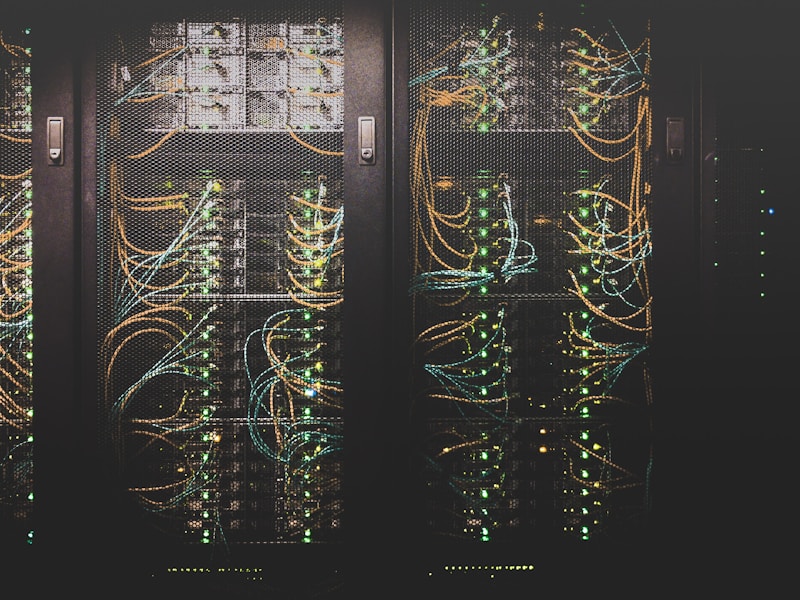
Modular Preprocessing System - Specialized modules for different data types

Cross-Layer Attention & Context Memory

With enhanced cross-layer attention, Gemini 3.0 maintains contextual clarity across long prompts, reducing logical drift and improving reasoning depth. This architectural innovation ensures consistent understanding even in extended conversations spanning thousands of tokens.

Discover Benefits →
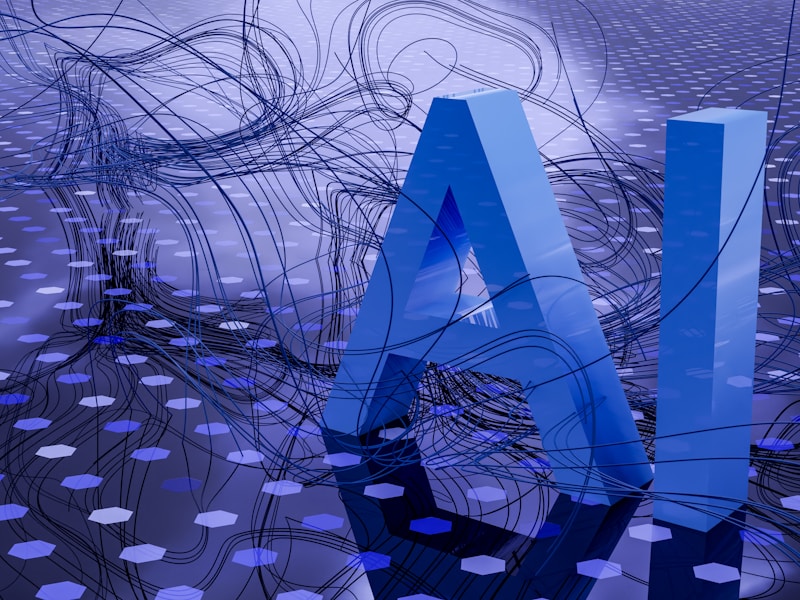
Cross-Layer Attention Mechanism - Neural network maintaining context across layers

Scalable and Efficient Design

Optimized neural pathways make the model adaptable to both enterprise-level clusters and consumer-grade hardware. This flexibility ensures Gemini 3.0 can deliver high performance across diverse deployment scenarios without compromising quality.

See Performance →

Scalable Architecture - Performance metrics and efficiency visualization

🌟 Try Gemini 3.0 Free on Kiira AI

Curious how this architecture performs in real conversations? Kiira AI is offering a limited-time free trial of Gemini 3.0. The dialogue experience feels noticeably smoother, and Kiira provides exclusive Gemini-powered creative tools unavailable on most platforms.

Start Free Trial Now

Deep Dive: How Gemini 3.0's Architecture Works

The Unified Reasoning Core

At the heart of Gemini 3.0's architecture lies its unified reasoning core—a fundamental shift from traditional multi-model approaches. Instead of maintaining separate processing pipelines for different modalities, Gemini 3.0 integrates all inputs into a single, coherent reasoning system. This architectural choice eliminates the inconsistencies that often arise when different AI models try to work together.

Specialized Preprocessing Modules

Before data reaches the unified core, each input type passes through its own specialized preprocessing module. The language module handles tokenization and semantic encoding, the vision module processes spatial and visual features, and the audio module extracts acoustic patterns. This modular approach ensures that each data type is optimally prepared while maintaining the flexibility to add new modalities in future versions.

Cross-Layer Attention Mechanism

The cross-layer attention mechanism represents one of Gemini 3.0's most significant architectural innovations. Unlike traditional attention mechanisms that operate within single layers, cross-layer attention allows the model to maintain context across multiple processing stages. This prevents the "context drift" problem common in long conversations, where models gradually lose track of earlier information.

Scalability Through Optimization

Gemini 3.0's scalable architecture achieves efficiency through intelligent optimization of neural pathways. The model dynamically adjusts its computational resources based on task complexity, allocating more processing power to challenging multimodal tasks while maintaining speed on simpler queries. This adaptive approach makes Gemini 3.0 practical for deployment across various hardware configurations.

Real-World Performance Advantages

The architectural improvements in Gemini 3.0 translate to tangible benefits in real-world applications. Users experience more coherent long-form conversations, better understanding of mixed-media inputs, and more reliable reasoning across complex tasks. The model's ability to maintain context over extended interactions makes it particularly valuable for professional applications requiring sustained engagement.

Frequently Asked Questions About Gemini 3.0 Architecture

What makes Gemini 3.0's architecture unique?

Gemini 3.0 features a unified multimodal framework that processes text, images, audio, and structured data simultaneously through a shared reasoning core, reducing fragmentation and improving cross-modal understanding. This is a fundamental departure from traditional approaches that use separate models for different input types.

How does Gemini 3.0 handle different types of input?

Each modality (language, vision, audio) is processed through a specialized preprocessing module before being fused into the shared reasoning core, ensuring accuracy and future scalability. This modular approach allows for optimal processing of each data type while maintaining seamless integration.

What is cross-layer attention in Gemini 3.0?

Cross-layer attention is an enhanced mechanism that helps Gemini 3.0 maintain contextual clarity across long prompts, reducing logical drift and improving reasoning depth throughout extended conversations. It allows the model to reference information from earlier processing stages, preventing context loss.

Is Gemini 3.0 suitable for enterprise deployment?

Yes! Gemini 3.0's scalable architecture is designed to work efficiently on both enterprise-level clusters and consumer-grade hardware. The optimized neural pathways allow for flexible deployment across various infrastructure configurations without compromising performance.

Can I try Gemini 3.0 for free?

Yes! Kiira AI is offering a limited-time free trial of Gemini 3.0, where you can experience its improved dialogue capabilities and exclusive Gemini-powered creative tools. Visit Kiira AI to start your free trial and explore the architectural improvements firsthand.

How does Gemini 3.0 compare to previous versions?

Gemini 3.0 represents a significant architectural evolution with enhanced cross-layer attention, better multimodal integration, and improved long-context consistency. These improvements result in more stable performance, better reasoning across complex tasks, and more coherent extended conversations compared to earlier versions.

Experience Gemini 3.0's Architecture in Action

See how the architectural innovations translate to real-world performance. Try Gemini 3.0 free on Kiira AI today.

Start Your Free Trial